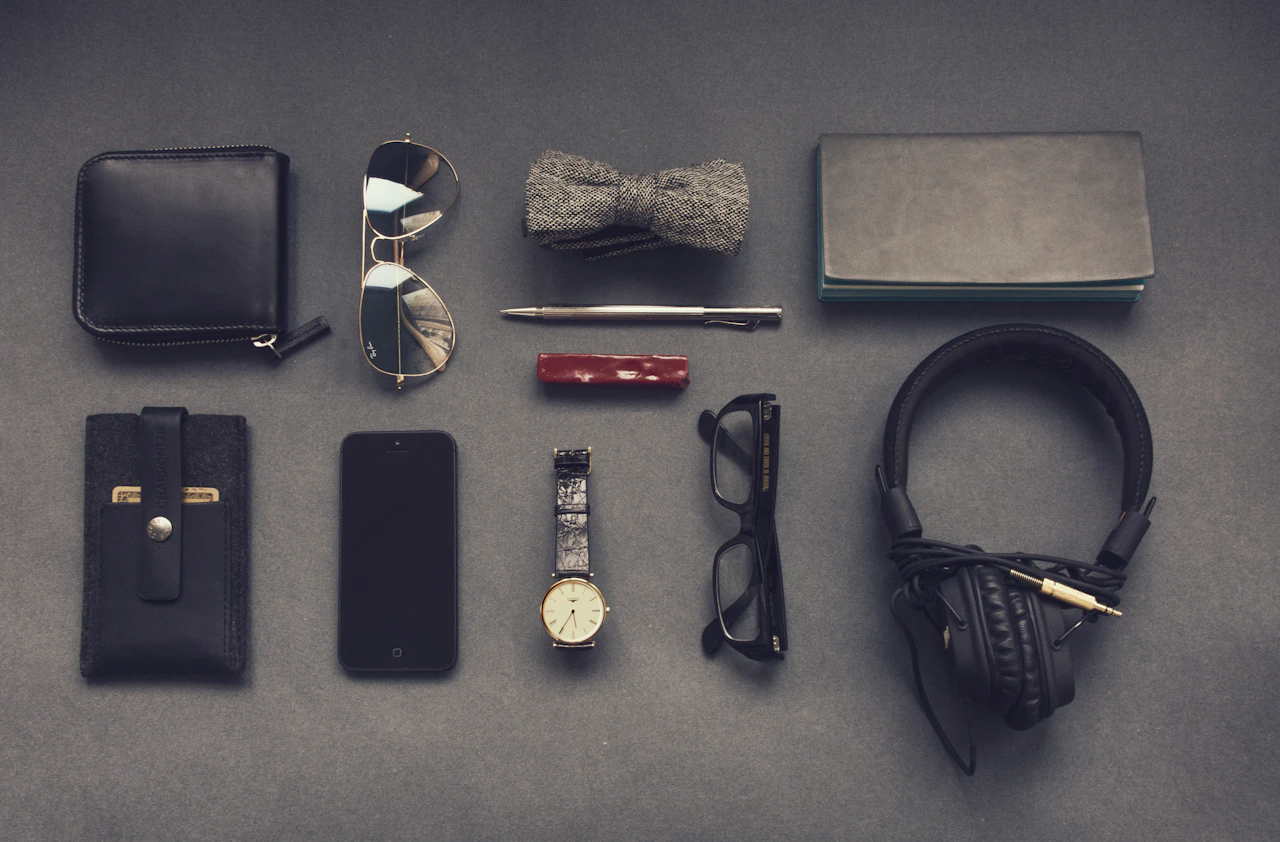
Machine Gun Kelly’s recent wired headphones revival is more than a celebrity styling quirk. It is a signal that fashion is once again mining the visual language of old tech: cords, ports, charging clips, cassette-era references, and the slightly messy practicality that makes nostalgia feel wearable. The appeal is not just sentimentality. In a market where consumers want pieces that are expressive, photo-ready, and still useful, tech nostalgia offers a sweet spot between novelty and function. That is why cable jewelry, headphone-pocket-friendly necklaces, and retro-tech accessories are showing up as an accessory trend with real staying power.
This guide breaks down how the look works, what to buy, how to style it, and how to avoid costume territory. It also shows why the trend resonates now, from the return of open-ear listening culture to the broader shift toward statement pieces that feel personal rather than overdesigned. If you are looking for nostalgic pieces that translate runway energy into everyday outfits, this is your roadmap.
Pro tip: The best tech-nostalgia accessories do not copy gadgets exactly. They borrow the shape language of cords, loops, plugs, and mini hardware details, then translate those cues into jewelry that feels deliberate.
Why Retro Tech Is Back in Fashion
1. Nostalgia now functions like a style filter
Nostalgia has moved from a niche emotion to a commercial design strategy. Just as collectors gravitate toward visible proof of authenticity in categories like retro collectible art, fashion shoppers want objects that feel real, legible, and culturally specific. Wired headphones, landline-inspired accessories, and cord motifs work because they instantly communicate an era without requiring a logo. They are recognizable in a split second, which matters in a feed-driven world where a good accessory has to read clearly on camera.
In practical styling terms, this kind of nostalgia is easy to layer. A cable-link chain can sit beside a plain tee and still carry the outfit, while a tech-inspired charm can make denim feel intentional. The same appeal drives other “utility-coded” categories too, from smart storage to curated home objects. Fashion is borrowing that logic: make it look useful, make it feel familiar, and make it interesting enough to spark conversation.
2. MGK helped reframe wired headphones as a statement
MGK’s influence matters because he turns what most people considered outdated into a visual signature. By publicly embracing wired headphones, he transformed a practical device into a style cue that signals anti-polish, rock-star nonchalance, and a deliberate rejection of sterile minimalism. That matters for accessories because trend adoption often starts with one person making something “wrong” look right. Once the look lands in celebrity styling, it can quickly migrate into street style, editorial shoots, and everyday shopping behavior.
What makes this revival different from a simple Y2K replay is that the reference is more specific. The wired headphone itself is not just “old school”; it is portable, visible, and always partly draped across the body. That visual line from ear to pocket creates movement, which designers are now echoing in chains, cords, clasps, and pendant silhouettes. If you want a deeper look at how celebrity styling gains traction, the dynamics echo the way return narratives spread in entertainment, much like the fan-favorite return formula in pop culture.
3. Retro tech matches the current appetite for tactile design
Accessories are becoming more tactile because shoppers are tired of pieces that only look good in product renders. The wires, coils, and clicky hardware of retro tech feel physical in a way flat, polished luxury often does not. That makes cable jewelry and headphone-inspired pieces appealing to people who want texture without weight. It is a similar principle to what drives the popularity of objects that reveal their construction, from industrial materials to visibly engineered details.
There is also a budget angle. Not every shopper can or wants to buy a new statement bag every season, but a smarter accessory can refresh older clothes instantly. This is where trend-conscious shopping overlaps with value-driven thinking. If you are comparison-shopping larger purchases, the mindset resembles guides like tablet buying in 2026 or small-margin accessory planning: identify what delivers visible impact, then spend there.
The Core Aesthetic Codes of Tech-Nostalgia Accessories
1. Cable shapes and looped hardware
Cable jewelry works because cords already have a natural jewelry logic. They drape, coil, wrap, and connect, all of which mirror chain behavior. Designers are leaning into this by using sculptural links, rubberized finishes, braided metals, and pendant drops that imitate the arc of a headphone cable. The result is a piece that reads like equipment but wears like fashion.
Look for necklaces with elongated curves, loop-through clasps, or double-strand constructions. If the piece has just enough irregularity to mimic a genuine cord, it feels modern rather than cosplay-like. The best examples feel as if they were extracted from an object and elevated into precious form, much like the translation of industrial textures in brutalist texture references into design assets.
2. Tiny hardware references: ports, plugs, and connectors
The subtlest versions of this trend borrow from actual gadget parts. Think barrel-shaped clasps, mini jack-inspired charms, and pendant ends that resemble audio plugs or charging tips without being literal. These details are ideal for shoppers who want in on the look but prefer something discreet enough for daily wear. They also work well when you need an accessory that sits flat under outerwear or stays comfortable for long periods.
This is where styling becomes strategic. A tiny hardware reference paired with a crisp shirt or blazer can feel editorial and sharp. Add a second piece with a stronger cord motif and suddenly the whole outfit leans into the trend. It is a “less is more” situation, similar to the restraint seen in luxury watch documentation: the object is more convincing when the details are precise, not loud.
3. Color, finish, and the old-school plastic effect
Retro tech is not just about shape. Color matters, especially the palette associated with early consumer electronics: black, bone, smoke gray, silver, translucent amber, and the occasional candy-tone accent. A glossy or semi-matte finish can evoke earbuds, cassette players, or phone accessories from the 2000s without feeling cheap. When used in jewelry, those finishes create contrast against skin and fabric.
Shoppers should also pay attention to how shine is balanced. Too much polish can make cable jewelry look costume-y, while too little can flatten the effect. The sweet spot is usually a brushed metal, enamel-like coating, or mixed-material construction that gives the piece some depth. This logic mirrors smart product curation in adjacent categories like ingredient transparency scorecards or device management best practices: good design is often about what is visible and what is controlled.
Best Accessory Categories to Shop Right Now
1. Cable-inspired necklaces and chains
This is the most direct entry point into the trend. Cable-inspired necklaces range from fine chains that mimic a wrapped cord to chunky statement pieces with visible twists or tubular links. They are especially effective when worn with simple tees, racerback tanks, overshirts, or crewneck knits because the necklace becomes the focal point. If your wardrobe skews basic, this is the easiest way to add a retro-tech edge without buying a full outfit.
Search terms that help: “cable necklace,” “cord chain,” “tech-inspired chain,” “wire necklace,” and “hardware necklace.” On the styling side, let the piece sit slightly longer than your usual chain so it echoes the drape of actual headphones. That subtle difference matters because it creates movement, which helps the accessory read as part of the outfit rather than just an add-on.
2. Headphone-pocket-friendly pendants
One of the smartest developments in the trend is the rise of necklaces designed to coexist with everyday tech use. Think pendants that stay centered and don’t catch on cables, or lightweight designs that sit comfortably under a hoodie while you’re actually wearing wired headphones. These pieces are practical, but they also understand the user behavior behind the trend: people want style that doesn’t fight with function.
If you use your accessories heavily throughout the day, prioritize low-profile bail openings, smooth surfaces, and pendant sizes that won’t snag on collars or headphone cables. This is especially important for commuters, creators, and anyone who alternates between public transit, meetings, and music sessions. For shoppers building a wearable, use-everyday stack, the philosophy is close to choosing reliable tools in other categories, like the decision-making framework in ergonomic utility picks or creator-friendly e-ink tools.
3. Clips, charms, and bag hardware with tech references
If jewelry feels too literal, move to accessories that can be clipped, tied, or attached. Bag charms with cord loops, AirPods-case-style pouches, key clips, and hardware-heavy belts all capture the same retro-tech mood. These pieces work because they add motion and specificity to an outfit while remaining easy to remove when you want a cleaner look.
Bag hardware also gives the trend broader styling range. A belt with a connector-like buckle can echo the lines of a cable chain without matching it exactly. That kind of intentional mismatch is how fashion looks current rather than over-styled. It is the same principle that makes carefully curated sets feel better than forced matching in categories like staged home color stories or legacy IP relaunches: the pieces should speak to each other, not duplicate each other.
4. Earbud pouches, tech cases, and wearable storage
Wearable storage is an underrated part of the retro-tech story. Small pouches that hang from a belt loop, slim neck pouches for earbuds, and pocket-sized cases with retro materials make the trend feel lived-in. These are especially useful for people who carry wired headphones, chargers, or small daily essentials and want their accessories to function as part of the outfit.
Designers are increasingly thinking about how people move through the day, not just how a piece photographs. That is why these items feel so relevant: they sit at the intersection of styling and utility. The same consumer instinct drives smart shopping in categories like discount-hunting strategies, where utility and timing matter as much as appearance. In fashion, the equivalent is buying something you will actually carry, not just admire.
How to Style Retro-Tech Accessories Without Looking Costumey
1. Use one reference point, not five
The easiest way to wear this trend well is to pick one strong visual cue and let it lead. If you are wearing wired headphones, keep the jewelry cleaner. If your necklace already looks like a cable, keep the rest of the outfit minimal and modern. The point is to suggest tech nostalgia, not reenact a specific decade so literally that the result feels gimmicky.
Outfits work best when the accessory is the “quote” and the rest of the look is the frame. A white tank, oversized blazer, loose denim, and cable chain can feel current because the clothes are contemporary while the hardware gives the story. That balance is key for shoppers who want trend relevance without date-stamping the whole outfit.
2. Mix nostalgic pieces with polished basics
Retro tech shines when it is contrasted with pieces that are clean, structured, or even slightly formal. A cable necklace with a button-down shirt. Wired headphones with a tailored coat. A cord-inspired charm on a minimalist bag. These pairings help the look feel intentional, and they prevent the accessory from reading as a prop.
One useful mental model: if the nostalgic piece is playful, make the rest of the silhouette disciplined. This creates tension, which is where style happens. It also helps the piece travel across settings, from coffee runs to concerts to casual office days. For more on making a statement piece usable in daily life, the logic is similar to choosing smarter spend categories in budget-conscious shopping and practical decision frameworks.
3. Think in proportions and line work
Because wired headphones literally draw a line across the body, the trend looks best when the rest of the outfit respects that movement. Long necklaces, open collars, V-necks, and jackets worn slightly unbuttoned all create a runway-friendly vertical line. Chunky cords, on the other hand, can add density to a streamlined outfit and make it feel more grounded.
If you are petite, choose thinner cables and smaller pendants so the piece does not overwhelm your frame. If you prefer maximalism, layer a cable chain with a second chain of contrasting texture, but keep at least one element visually quiet. The styling principle is the same whether you are curating a wardrobe or building a product line: controlled variation is more memorable than random piling on, as seen in creator product playbooks and small-batch manufacturing strategies.
What to Buy: A Practical Comparison Table
Not every retro-tech piece serves the same role. Some are best for everyday wear, others for editorial impact, and a few are more collectible than practical. Use the table below to decide what fits your wardrobe and budget.
| Piece | Style Impact | Wearability | Best For | Watch-Outs |
|---|---|---|---|---|
| Cable-inspired necklace | High | High | Daily outfits, layering | Can tangle if overly sculptural |
| Headphone-pocket pendant | Medium | Very high | Commuting, travel, workwear | Should sit flat to avoid snagging |
| Tech-reference charm bracelet | Medium | Medium | Stacking, giftable styling | Too many charms can feel busy |
| Hardware-heavy bag charm | High | High | Bags, backpacks, street style | Should be lightweight for comfort |
| Retro-tech earbud pouch | Low to medium | Very high | Practical daily carry | Materials should be durable and easy to clean |
| Statement wired headphones | High | High | Celebrity-inspired styling, content creation | Must balance comfort with visual payoff |
Use the table as a filter, not a ranking. The best purchase depends on whether you want a fashion-first object, a practical everyday carry item, or a piece that reads clearly on camera. If you are building a broader accessories wardrobe, it can also help to think like a collector or merch strategist, which is why many shoppers increasingly value versatility the way creators value community-led product storytelling and supply-chain reliability.
Shopping Strategy: How to Spot Good Cable Jewelry
1. Check the drape before the gimmick
Good cable jewelry should hang naturally. If the piece bends awkwardly, flips too often, or feels stiff, it will likely be uncomfortable in real life. The best designs maintain a line even while moving, which helps them resemble actual cords while still feeling luxurious enough to wear with elevated outfits. This is a case where fit matters as much as aesthetics.
Look for reviews that mention weight, clasp placement, and tangle resistance. If shopping online, zoom in on where the cord-inspired elements terminate; neat endings usually indicate better construction. The same scrutiny applies to buying any category with a strong visual claim, from jewelry grading changes to watch documentation.
2. Prioritize skin-friendly materials
Because many retro-tech pieces are sold in coated metals, mixed materials, or industrial-looking finishes, material quality matters. If you have sensitive skin, look for sterling silver, stainless steel, gold vermeil, or clearly labeled hypoallergenic components. Cable jewelry can be worn often, which means comfort and durability should outweigh gimmicky detailing.
For pieces with enamel or resin accents, confirm that the finish is sealed well enough to resist chipping. You are buying a trend, but ideally one that lasts beyond the current cycle. A smart fashion purchase is not just “in style now”; it survives repeated wear, seasonal shifts, and outfit changes, much like the long-game logic behind durable content structure or efficiency-minded system design.
3. Don’t ignore cleaning and maintenance
Retro-tech accessories often include grooves, links, loops, or small hardware details that collect oils and dust. If you plan to wear them frequently, choose pieces you can clean with a soft cloth and mild soap, not just admire in the box. Maintenance is part of making nostalgic pieces feel premium rather than disposable.
This is especially true if you pair accessories with daily-use headphones or keep them in a bag alongside keys and chargers. A protective pouch, jewelry cloth, and separate storage compartment will extend the life of the item. In other words: the trend is visual, but the purchase should still be practical.
Where the Trend Is Headed Next
1. More hybrid pieces that blur jewelry and utility
The next wave of retro-tech accessories will likely lean even harder into hybrids: jewelry that also stores earbuds, necklaces that double as charm carriers, and clips that can attach to bags or belts. This is where fashion gets especially interesting because it stops imitating tech and starts borrowing tech behavior. Expect more modularity, more detachable elements, and more pieces that serve multiple styling functions.
For shoppers, that means the most future-proof buys are the ones with adaptability built in. If a necklace can be worn solo, layered, or paired with a charm, it will outlive a more literal trend object. The direction feels similar to multi-format platforms in other industries, where the winning products are the ones that can flex with user behavior.
2. Celebrity styling will keep accelerating the look
MGK’s wired-headphones moment matters because it gave the trend an easily repeatable image. Once a celebrity makes a visual habit feel intentional, stylists, designers, and consumers start translating it into adjacent categories. That is how a headphone choice becomes an accessory story, then a jewelry brief, then a shopping microtrend.
Expect musicians, skaters, and fashion-forward creators to keep driving the aesthetic through street-style photos, backstage content, and live-event dressing. The moment works because it feels lived-in, not overly produced. It also benefits from the broader appetite for “found” styling—things that look like they came from a real life, not a mood board.
3. Sustainability will shape what lasts
As the trend matures, shoppers will ask harder questions about materials, longevity, and whether a piece is just novelty or something worth keeping. Small-batch and ethical production are likely to matter more, especially for buyers who want a piece with a story and a lower-waste footprint. That makes the shopping landscape more sophisticated than simple trend-chasing.
When possible, look for makers who explain sourcing, construction, and repairability. Fashion trends become more credible when they are supported by responsible production. That logic echoes why consumers increasingly care about transparency in other categories, from ethical small-batch production to consumer-feedback-driven product development.
FAQ: Wired Nostalgia Accessories and Jewelry
Are wired headphones actually back in style?
Yes, but not as a full replacement for wireless tech. They have returned as a visual and cultural reference, especially in celebrity styling and streetwear. Their appeal comes from the way they look on the body: visible, draped, and slightly rebellious.
What is cable jewelry?
Cable jewelry is jewelry inspired by cords, wires, or cable-like forms. It often uses looped, twisted, braided, or tubular shapes to echo tech hardware while remaining wearable as fashion.
How do I wear retro tech accessories without looking costume-like?
Keep the rest of the outfit clean and modern. Use one nostalgic piece as the focal point, then anchor it with tailored basics, simple denim, or solid-color layers. Avoid stacking too many literal references at once.
What materials are best for headphone-friendly necklaces?
Smooth metals like sterling silver, stainless steel, or gold vermeil are strong choices because they are durable, easy to clean, and less likely to snag on clothing or cables. Lightweight pendants also help with comfort.
Are these accessories only for Gen Z and younger shoppers?
No. The trend is broad because the nostalgia reference can be interpreted in different ways. Younger shoppers may see a Y2K callback, while older shoppers may connect it to the early days of portable tech. The style works across generations because it is more about silhouette and attitude than age.
Where can I start if I want just one piece?
A cable-inspired necklace is the easiest entry point. It is versatile, immediately on-theme, and simple to style with basics you already own. If you want something more subtle, start with a hardware-heavy bag charm or a slim tech-inspired pendant.
Final Take: The New Rules of Tech Nostalgia in Accessories
Wired nostalgia works because it gives fashion a way to feel personal, practical, and a little bit defiant. MGK’s wired headphones moment captured the mood, but the broader trend is bigger than one celebrity: it is about accessories that borrow from the form language of retro tech and turn it into something wearable. The strongest pieces are the ones that function in real life, sit comfortably against the body, and bring just enough visual history to make an outfit feel considered.
If you are building a wardrobe around this look, start with one versatile hero piece, then layer in smaller references over time. Prioritize quality, comfort, and silhouette before the gimmick. For more trend-forward shopping strategies and styling direction, explore our guides on where retailers hide discounts, smart accessory buying, and how creators launch product lines. The best retro-tech accessories do not just reference the past. They make the past feel stylishly, usefully current.
Related Reading
- Page Authority Is a Starting Point — Here’s How to Build Pages That Actually Rank - A useful SEO lens for understanding why pillar content wins over thin trend posts.
- Sustainable Dropshipping: Small-Batch Manufacturing for Ethical Merch - A strong read on making trend-led products with a lighter footprint.
- Partnering with Manufacturers: A Playbook for Creators to Launch High-Quality Product Lines - Helpful if you want to turn accessory ideas into actual products.
- Data Management Best Practices for Smart Home Devices - A practical reference for the broader tech-and-lifestyle mindset behind this aesthetic.
- Create a Bulletproof Appraisal File for Your Luxury Watch - A precision-focused guide for shoppers who care about documentation and long-term value.
